

.webp)









.webp)




Let’s Get in Touch


Luxury Branding: Building Brands That Are Chosen Before They Are Compared
Some brands compete on price. Others compete on features. The most enduring brands compete on perception.
Long before a customer experiences a product or speaks to a sales team, they have already formed an opinion. It happens through a name, a visual identity, a package on a shelf, a website, or a single interaction with the brand. Every touchpoint quietly answers the same question: Does this brand belong here?
That is the true purpose of luxury branding. It is not about making a brand look expensive. It is about creating a clear perception that feels credible, distinctive, and consistent wherever the business appears.
GreySpace Studios approaches branding with this philosophy. Every engagement begins by understanding the business, its ambitions, and the perception it wants to own. Strategy shapes every decision that follows, allowing identity, packaging, digital experiences, and communication to work together as one complete system rather than disconnected creative assets.
Every Project Solves a Different Business Challenge
No two businesses begin in the same place, so no two branding journeys should look identical.
Some brands enter crowded industries where standing apart is the biggest challenge. Others have built exceptional products but struggle to build recall. Some need to redefine how they're perceived before entering new markets, while others are creating entirely new categories.
Across its portfolio, GreySpace Studios has partnered with businesses facing each of these moments.
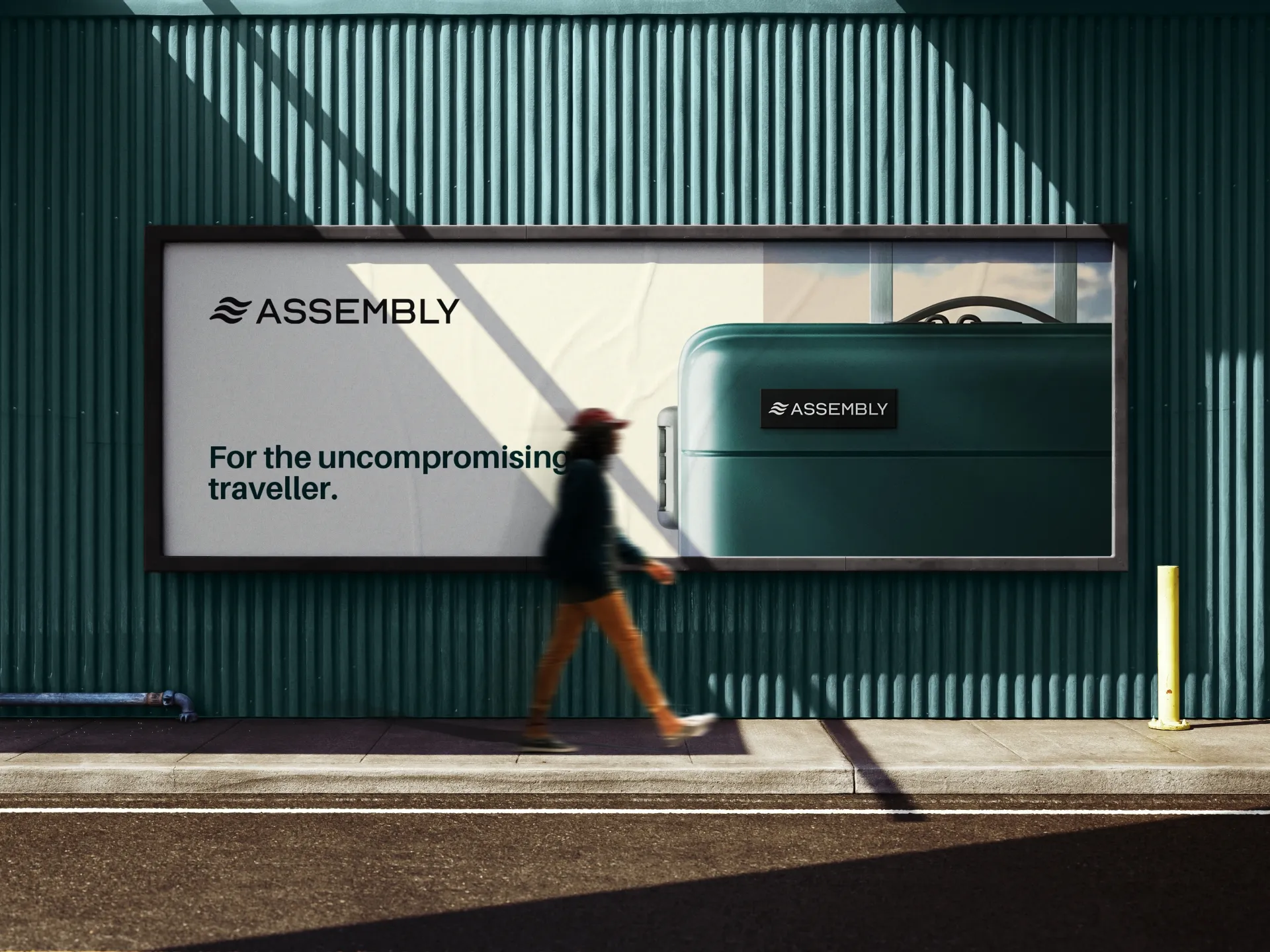
Assembly Luggage had already built a strong product, yet the brand lacked recognition in an increasingly competitive D2C market. The solution wasn't simply a new visual identity. It was a clearer brand story, a stronger identity system, and a more cohesive customer experience that gave people something to remember.
Ultraconfidentiel entered a market dominated by established players, where success depended as much on positioning as execution.
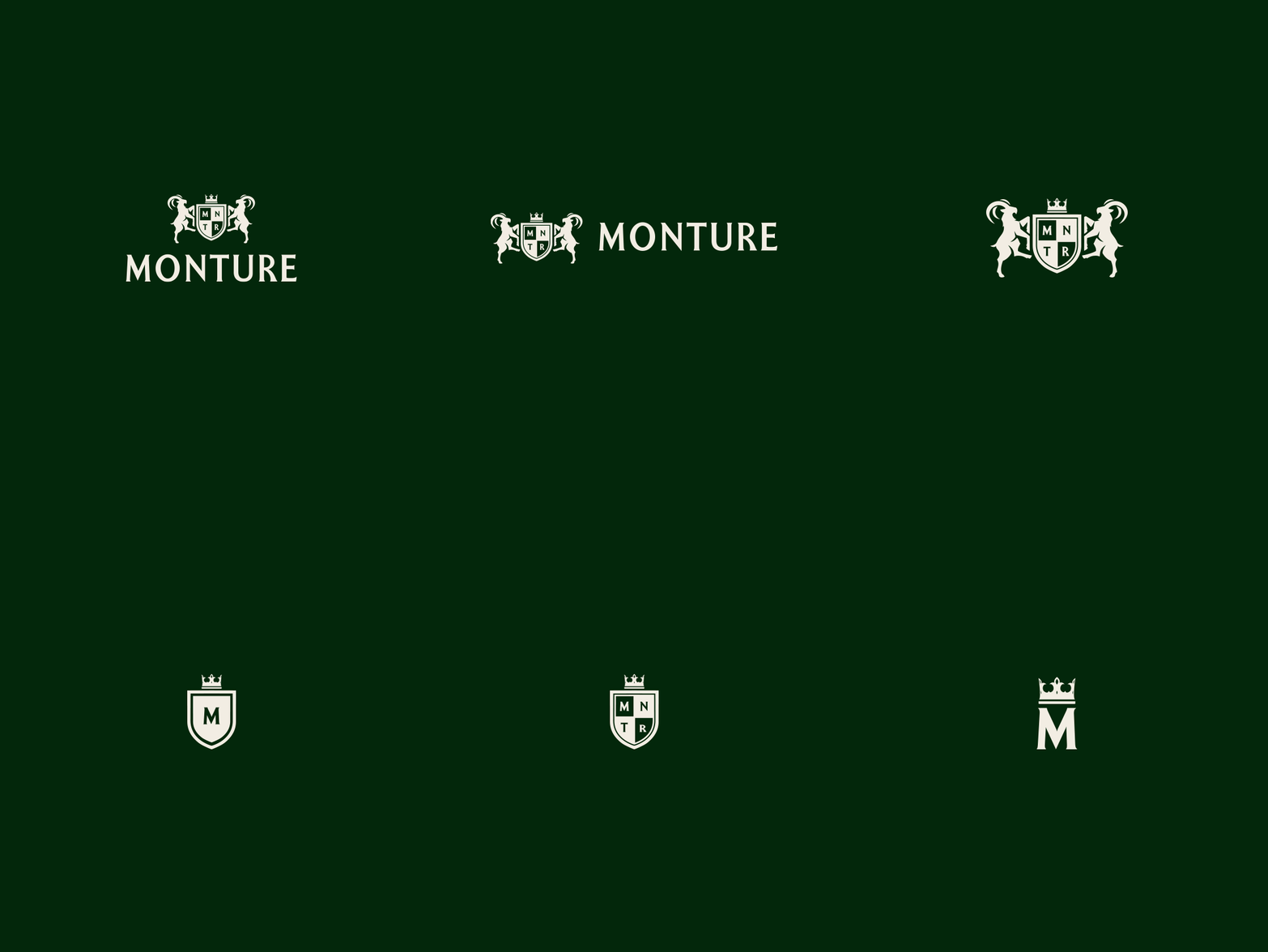
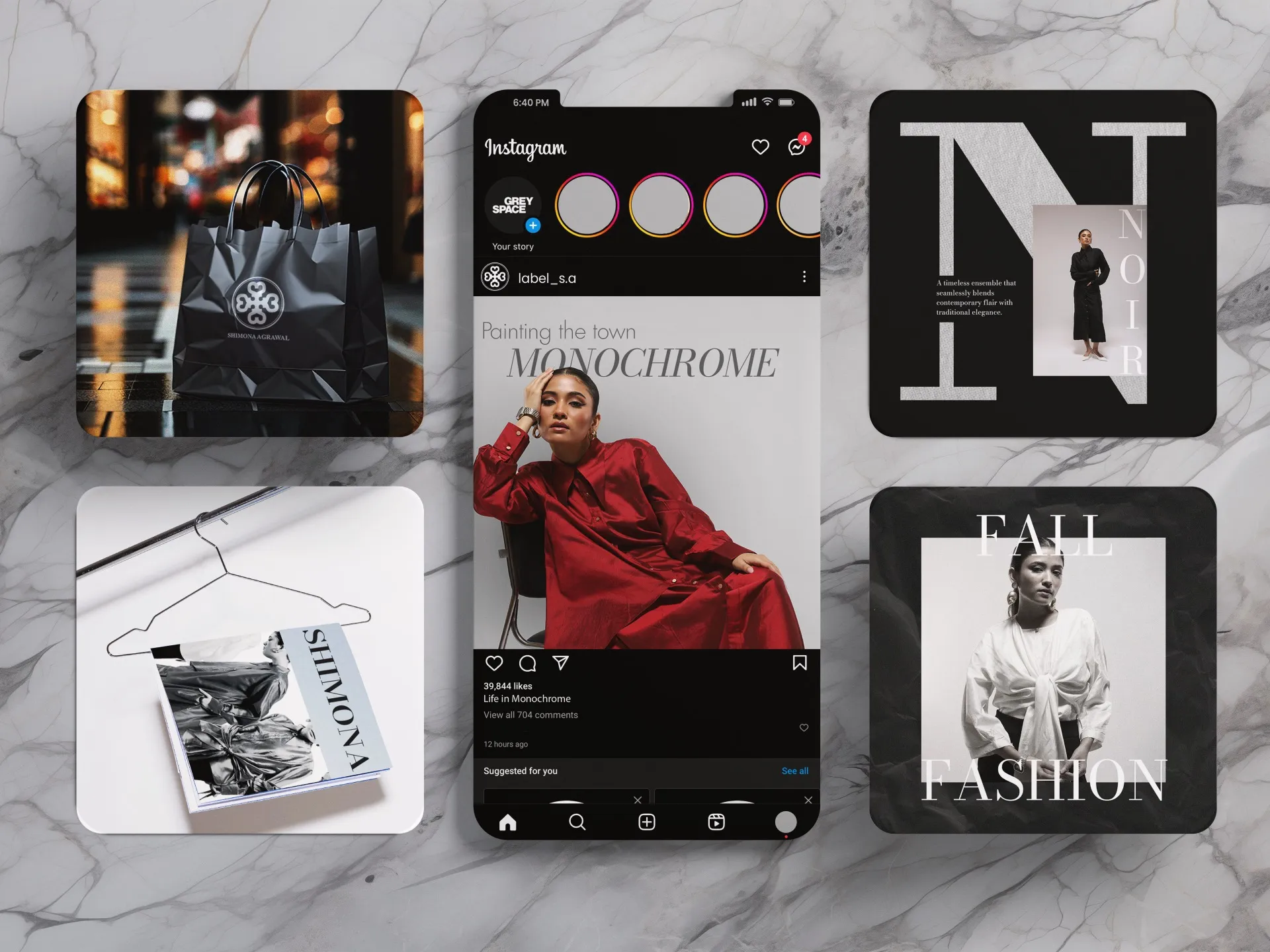
Monture required a name and identity that balanced heritage with contemporary fashion. Lovetc reimagined how beauty could feel through a digital-first experience, while The Big Bridge created a distinctive identity for a category that previously lacked one.
Although every engagement looks different, they all share one principle: branding should solve a business challenge, not simply decorate it.
That philosophy sits at the heart of effective luxury branding, where every design decision serves a strategic purpose rather than existing for aesthetics alone.
Luxury Branding Is About Perception, Not Price
One of the biggest misconceptions about luxury branding is that it only applies to premium products.
In reality, luxury is a perception created through consistency, clarity, and confidence. Customers don't decide a brand feels premium because of one logo or one advertisement. They reach that conclusion because every interaction reinforces the same experience.
Typography communicates personality.
Colour builds recognition.
Packaging creates anticipation.
Digital experiences shape trust.
Photography, tone of voice, and visual systems strengthen familiarity over time.
When these elements work together, the brand feels intentional. When they don't, even exceptional products struggle to create lasting recognition.
This is why GreySpace Studios develops identity systems instead of isolated creative assets. A brand should feel unmistakably familiar whether it appears on packaging, a website, a presentation, social media, or a retail shelf.
Strong luxury branding isn't built through individual design pieces. It is built through an identity system that allows every touchpoint to speak the same visual and verbal language.
From D2C Branding to Category Creation
Modern brands rarely exist in just one environment. They move across websites, marketplaces, retail stores, social media, packaging, investor presentations, and physical experiences. Every interaction contributes to how customers perceive the business.
This is especially true in D2C branding, where every touchpoint directly shapes customer trust.
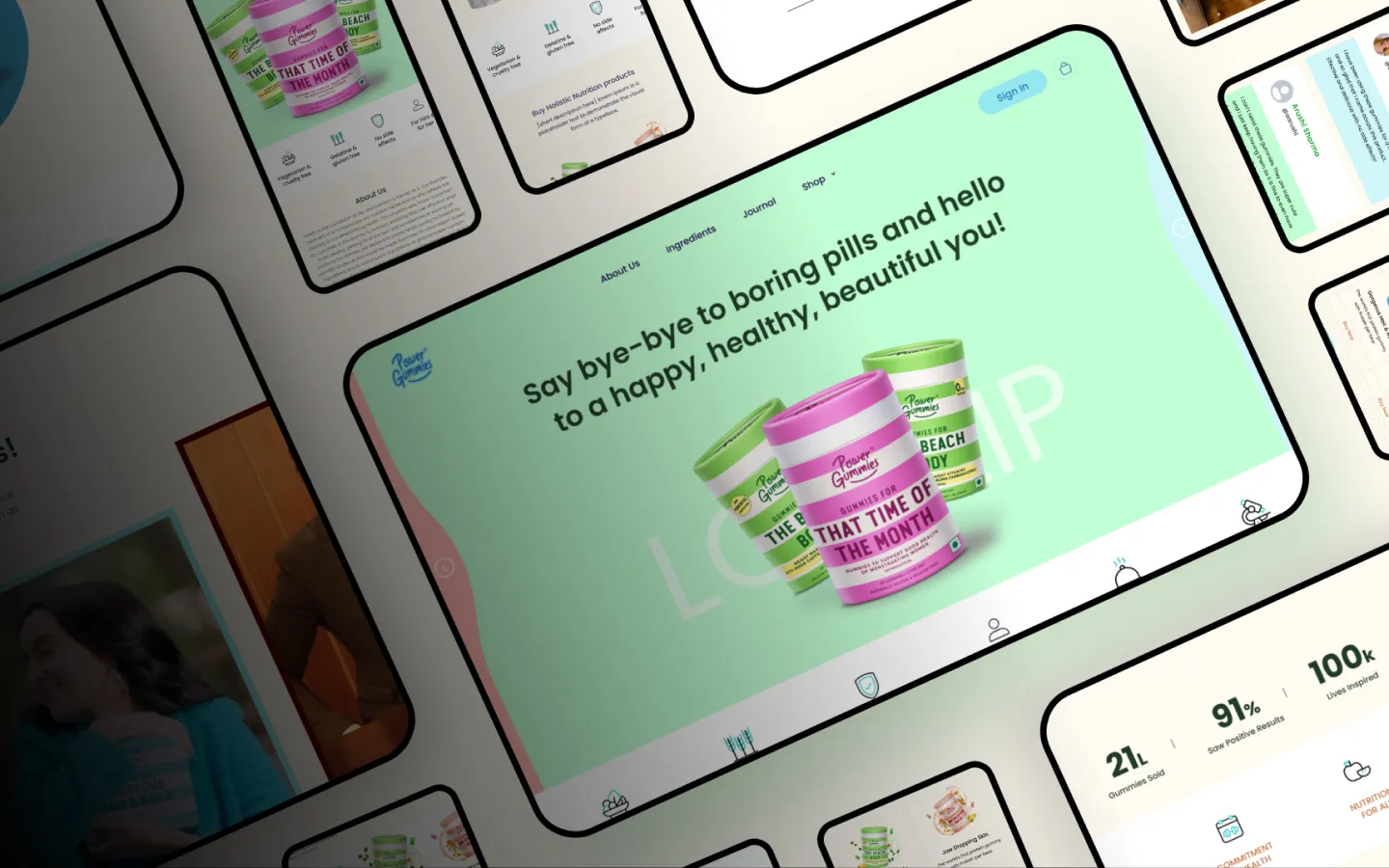
Brands like Assembly and Lovetc demonstrate how D2C branding extends far beyond creating an attractive logo or packaging design.
The strongest direct-to-consumer brands build consistent experiences that make customers recognise them instantly, whether they discover the brand online, receive a product delivery, or return for a second purchase.
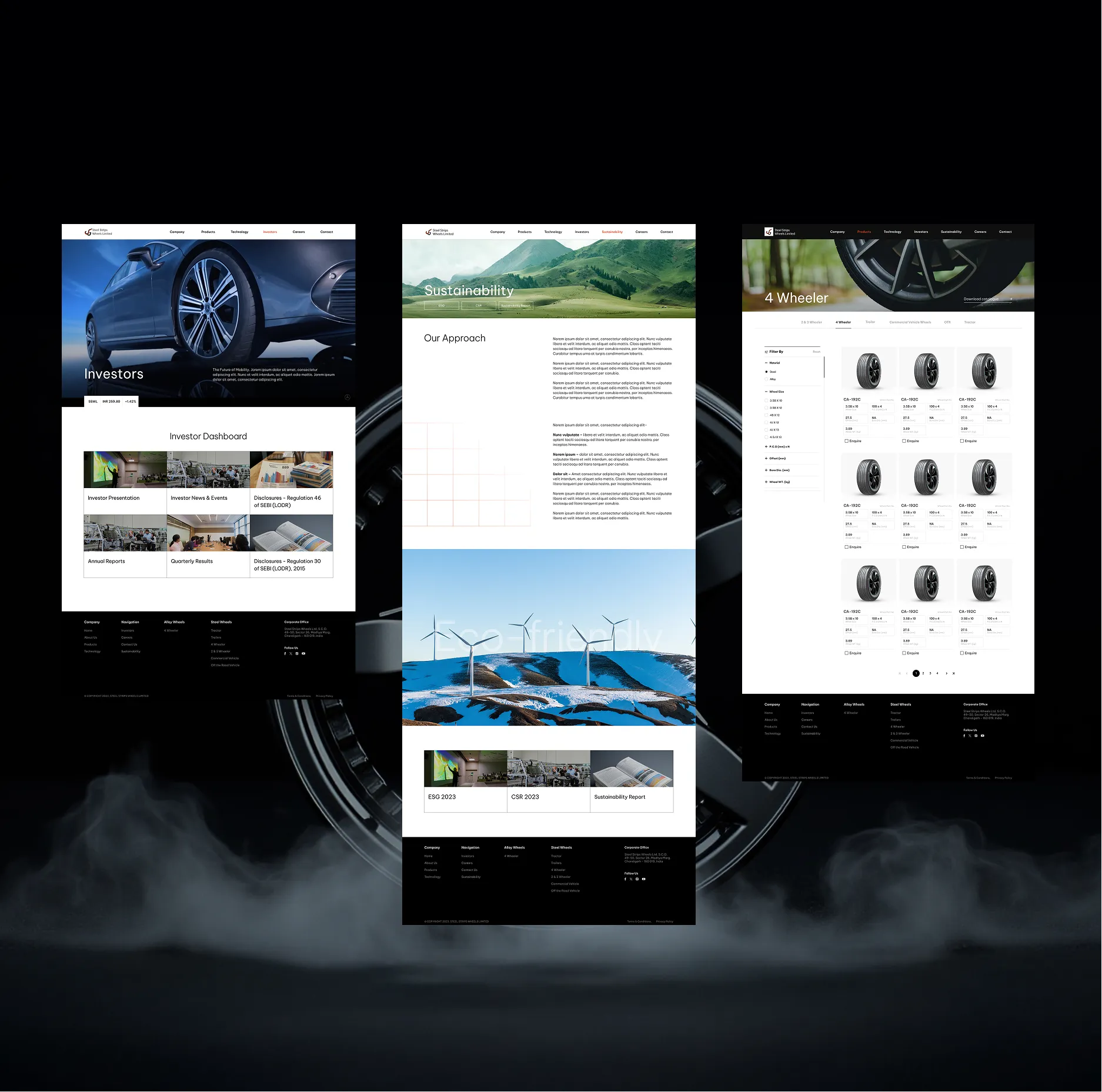
The same strategic thinking applies across entirely different sectors. Steel Strips Wheels translated manufacturing excellence into a modern digital experience.
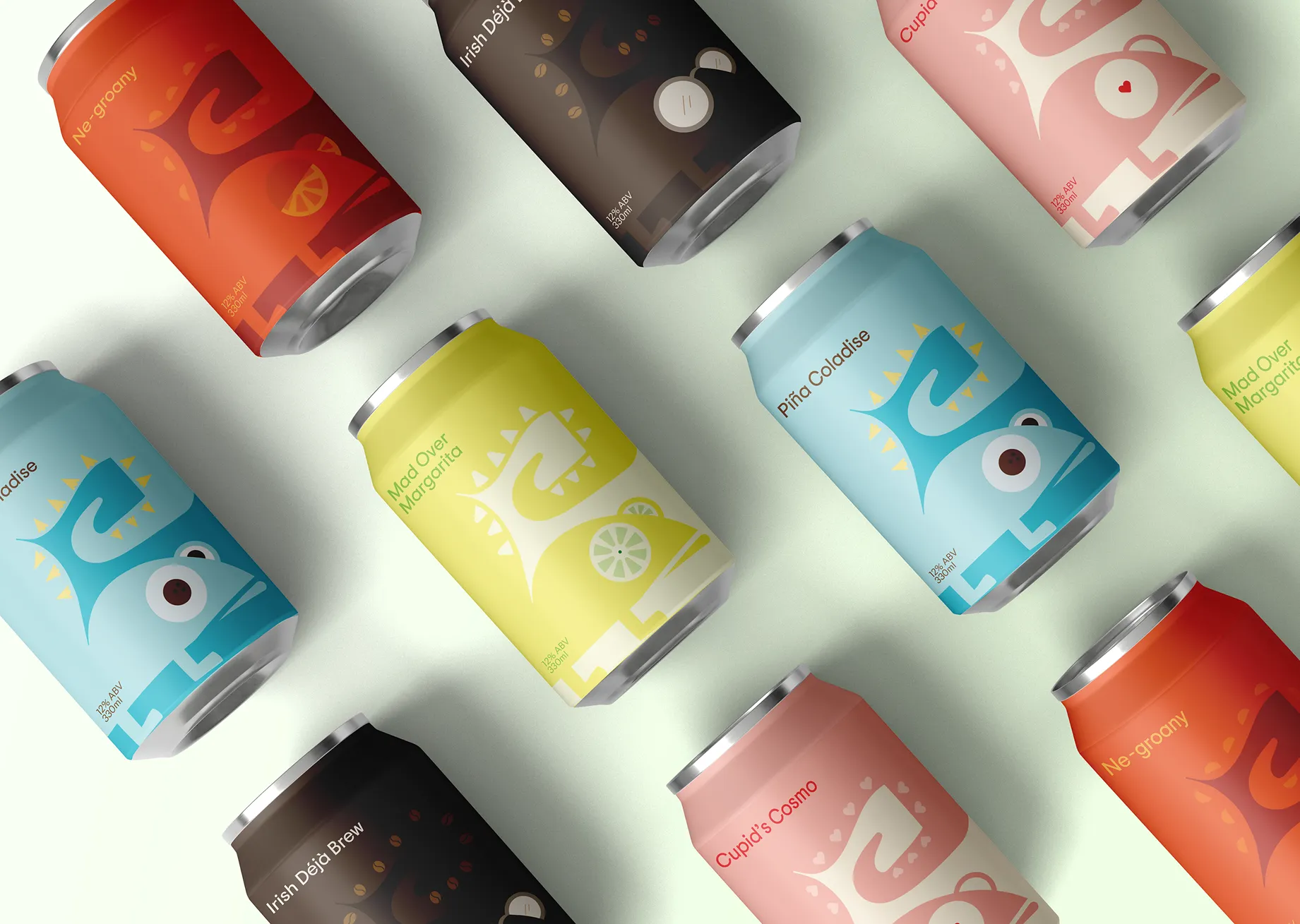
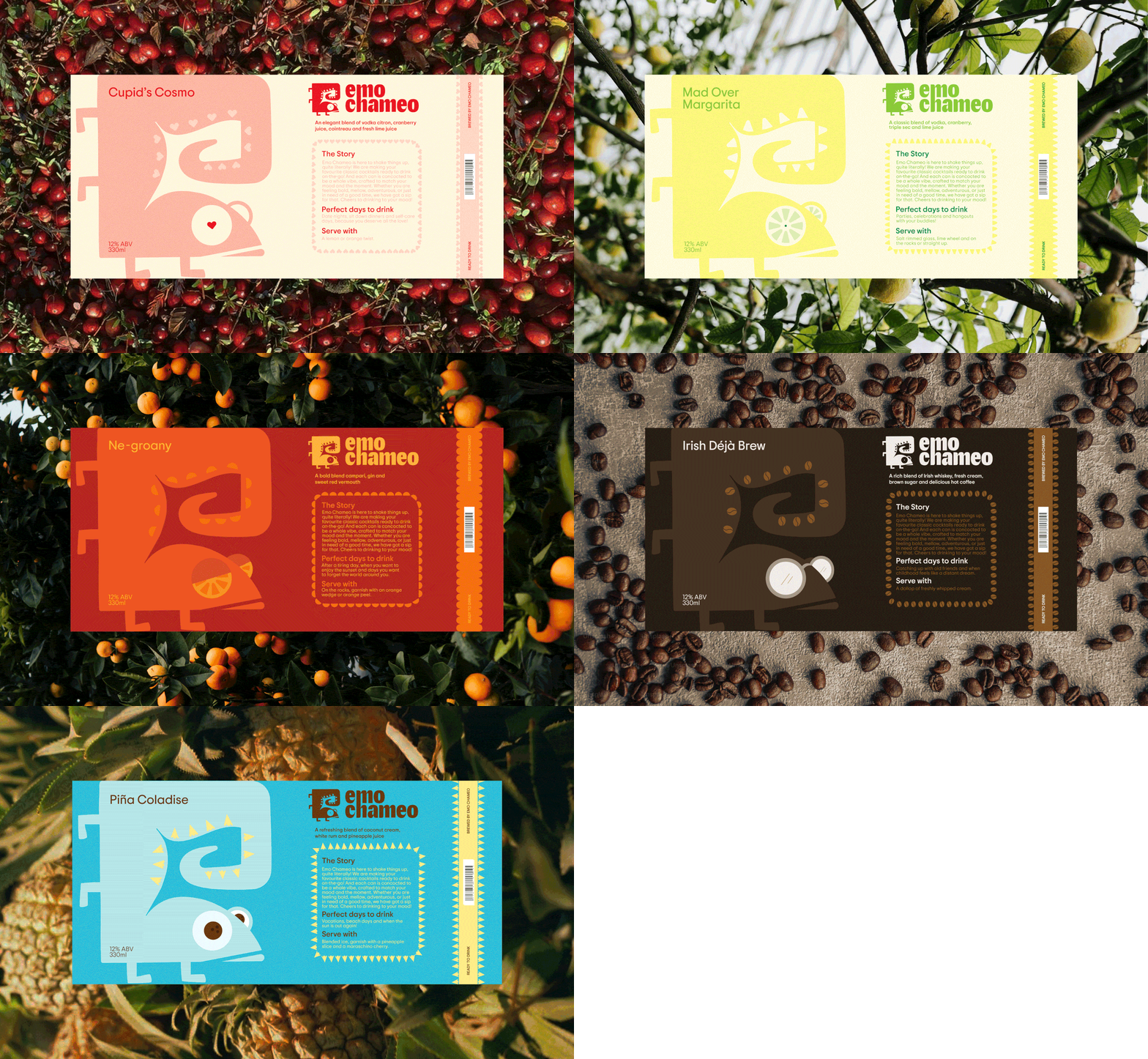
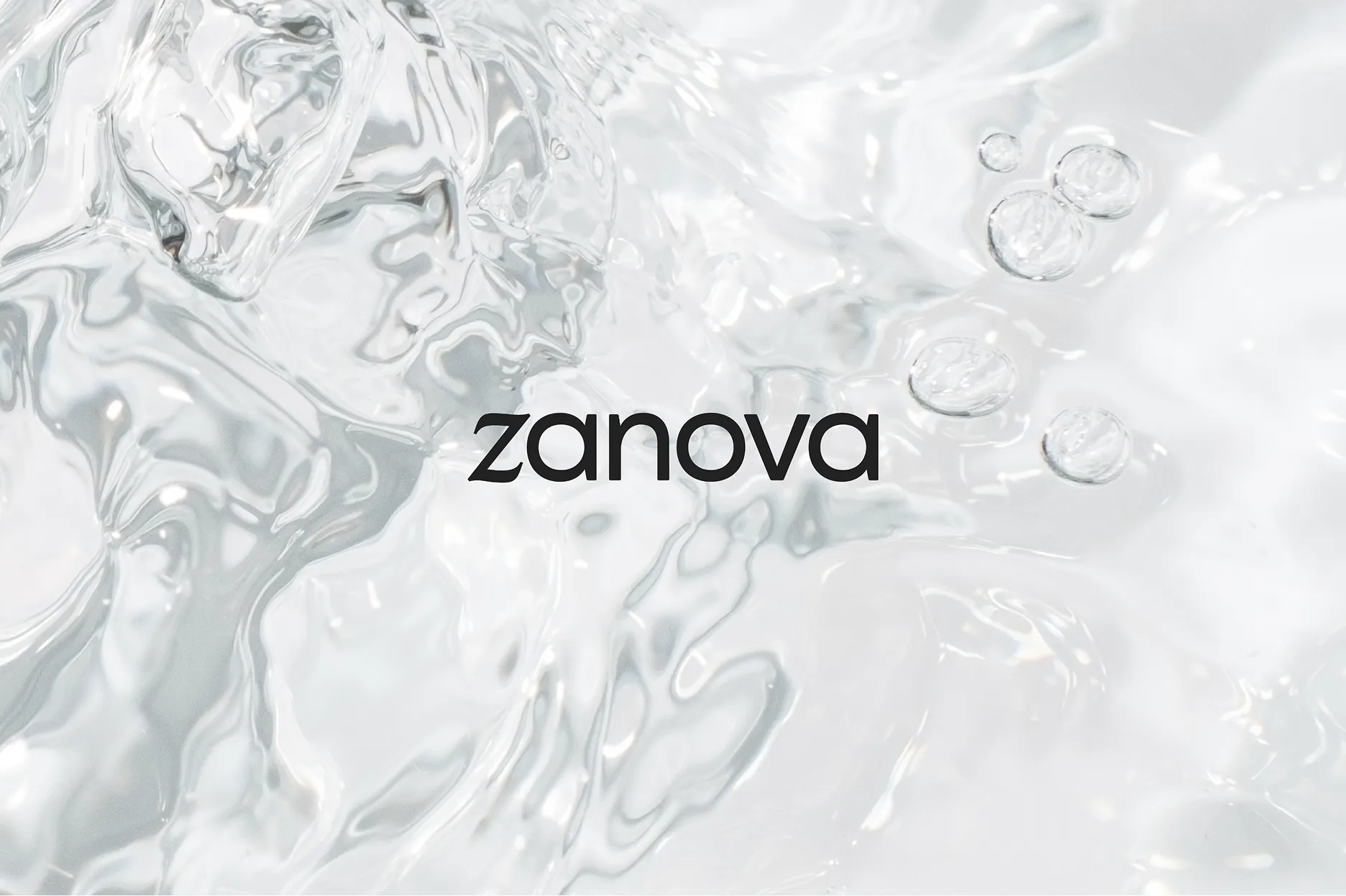
Emo Chameo brought personality into the ready-to-drink category through expressive branding, while Zanova developed a visual identity that balanced scientific credibility with a human approach to healthcare.
Whether the challenge involves D2C branding, entering a new category, or strengthening market perception, the objective remains the same: create brands that people recognise before they compare.
FMCG Branding Is Won in Seconds, Not Minutes
In fast-moving consumer markets, buying decisions happen quickly. Customers rarely have time to compare every detail before making a choice. Instead, they respond to what feels familiar, credible, and worth picking up.
That's where FMCG branding becomes a competitive advantage.
A product may have exceptional quality, but without a distinctive identity, it risks blending into the shelf rather than standing out on it. Packaging, typography, colour architecture, and messaging all influence how quickly a customer recognises and trusts a brand.
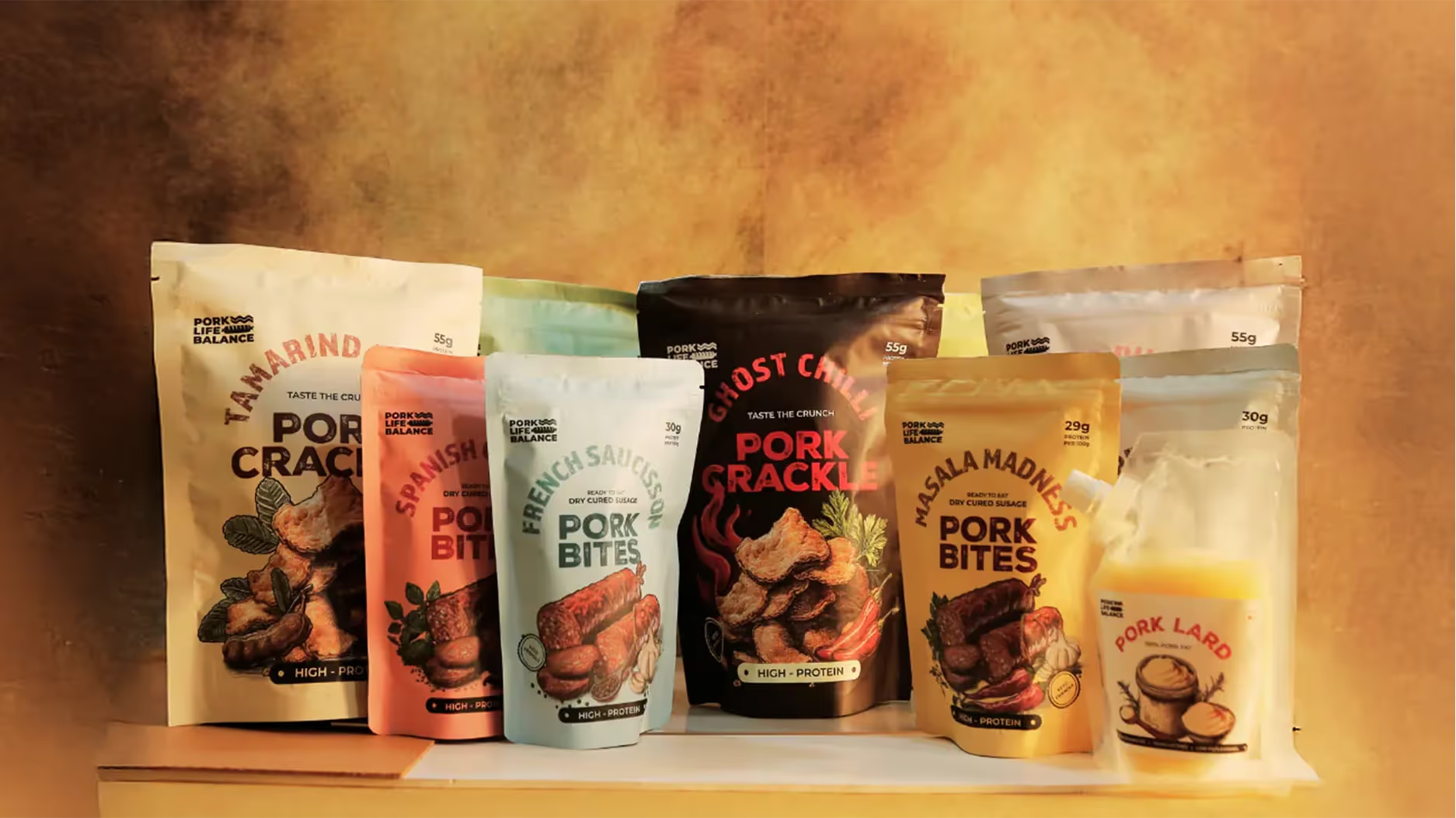
Projects like Pork Life Balance demonstrate how FMCG branding goes beyond attractive packaging. Every visual decision works together to create a product experience that feels intentional from the first glance to the final interaction.
The same thinking applies across every category. Whether launching a premium food brand, introducing a wellness product, or expanding into retail, successful FMCG branding creates consistency that customers remember long after the purchase.
What Every Successful Brand Has in Common
Every engagement begins with a different business challenge, but the outcome is built on the same principles.
The strongest brands don't rely on one impressive logo or one successful campaign. They grow because every part of the brand works together with purpose.
That means understanding the business before exploring creative directions. It means defining positioning before developing visual identity. It means building systems that allow the brand to remain consistent as it expands across products, teams, and markets.
This approach can be seen across GreySpace Studios' portfolio. Assembly strengthened recognition through a cohesive identity system. Ultraconfidentiel earned distinction through strategic positioning.
Monture combined naming and identity to create a premium fashion brand, while Lovetc transformed digital interactions into an extension of the brand experience.
The industries may differ, but the thinking remains remarkably consistent. Strategy provides direction. Identity creates recognition. Consistency builds trust.
This is what separates effective luxury branding from design that simply looks good. A memorable brand isn't built through isolated creative assets. It's built through a connected system that performs consistently wherever customers encounter it.
Brands Built for the Long Term
The brands that endure rarely need to explain themselves. Their identity does the work.
Every new touchpoint feels familiar because it follows the same strategic foundation. Customers recognise the brand whether they encounter it on a product, a website, social media, or a presentation. That level of consistency isn't accidental, it is designed.
GreySpace Studios approaches every project with that long-term perspective. Rather than creating isolated deliverables, the focus is on building identity systems that can evolve with the business while remaining recognisable over time.
From D2C branding for emerging consumer brands to strategic identity development for established organisations, every engagement is shaped around one objective: helping businesses become easier to recognise, easier to remember, and harder to ignore.
Whether the challenge involves luxury branding, creating a new category, or strengthening an existing brand, the goal remains the same, to build a brand that continues creating value long after launch.
Conclusion
Great brands are rarely remembered because of a single design decision. They're remembered because every interaction reinforces the same idea.
A name introduces the brand. Strategy gives it direction. Identity gives it presence. Consistency gives it lasting value.
That philosophy connects every project within the GreySpace Studios portfolio, regardless of industry or scale.
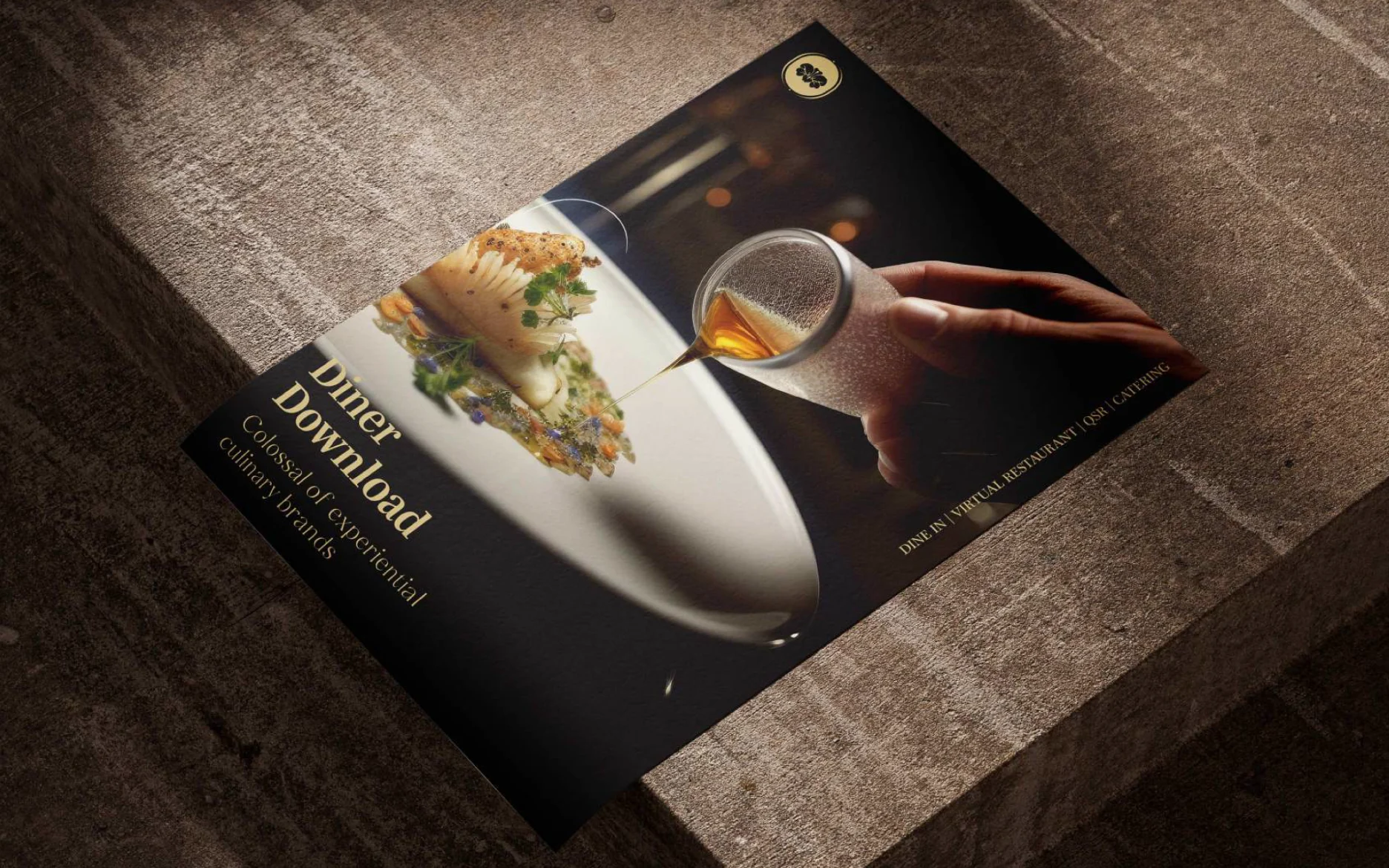
From premium fashion and beauty to manufacturing, healthcare, hospitality, and FMCG branding, every engagement begins by understanding the business before creating the brand.
If you're looking for a partner that believes luxury branding is built on strategy, identity, and long-term thinking, not trends, GreySpace Studios creates brands designed to stand apart today and stay relevant tomorrow.
Let's Build Something That Lasts
Every memorable brand starts with a clear strategy. Connect with GreySpace Studios to create an identity that grows with your business and stands out for years to come.
FAQs
1. What is luxury branding, and how is it different from premium branding?
Luxury branding is about creating a distinctive perception through strategy, storytelling, identity, and consistency rather than price alone. While premium brands often focus on quality and value, luxury brands build aspiration, emotional connection, and long-term brand equity.
2. Why is D2C branding important for modern businesses?
D2C branding helps businesses create direct relationships with customers across websites, social media, packaging, and digital experiences. A strong brand identity builds trust, improves recognition, and encourages repeat purchases in highly competitive markets.
3. How does FMCG branding influence customer buying decisions?
FMCG branding shapes first impressions in environments where purchasing decisions are made within seconds. Strong packaging, clear positioning, and a consistent visual identity help products stand out on crowded shelves and improve brand recall.
4. What should a professional branding agency deliver beyond a logo?
A branding agency should develop a complete identity system that includes brand strategy, positioning, visual identity, typography, colour architecture, tone of voice, packaging direction, digital experiences, and brand guidelines. Together, these elements create a consistent and recognisable brand.
5. Why do businesses choose GreySpace Studios for branding projects?
GreySpace Studios takes a strategy-led approach to branding, combining research, positioning, identity design, packaging, and digital experiences into cohesive brand systems. Every engagement is designed to solve real business challenges while building brands that remain distinctive, consistent, and relevant over the long term.